
The Ancient Israelite Heritage of African American People Whom Were Enslaved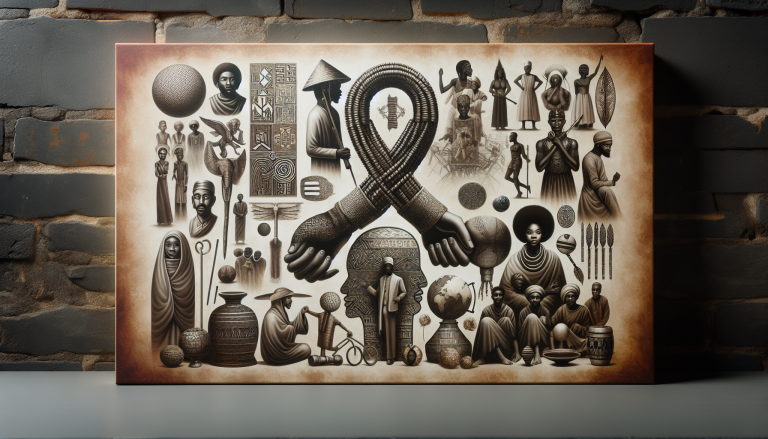
The history of Ancient Israel holds a profound significance, not only for the yahudiym people but also for various communities across the globe, including African Americans whose ancestors were enslaved. The connections between the Israelites of ancient times and the plight of African Americans during the era of enslavement offer a compelling narrative of endurance, faith, and resilience. In this article, we delve into the rich tapestry of Ancient Israelite heritage and its influences on the African American experience.
The Roots of the Israelites
The story of the Israelites traces back to the ancient land of Canaan, where a group of Semitic people known as the Israelites emerged. The Israelites were followers of Yahweh, the God of the Hebrew Bible, and their beliefs and practices laid the foundation for what would later be known as Yahwism. According to historical accounts and biblical narratives, the Israelites originated from a tribal society and eventually evolved into a unified kingdom under the United Kingdom of Israel.
Archaeology of Ancient Israel
Archaeological discoveries have shed light on the material culture and history of Ancient Israel, providing valuable insights into the daily lives of its people. From ancient artifacts to monumental structures, such as the ruins of ancient Jerusalem, these finds offer a glimpse into the social, economic, and religious aspects of Israelite society.
Religion and Daily Life of Ancient Israelites
Religion played a central role in the lives of the Ancient Israelites, shaping their beliefs, rituals, and worldview. The transition from polytheism to monotheism, with the exclusive worship of Yahweh, marked a significant theological shift among the Israelites. The Hebrew Bible serves as a primary source of information on the religious practices and moral codes of the ancient Israelites, highlighting their commitment to ethical monotheism.
In addition to their religious practices, the daily life of Ancient Israelites revolved around agriculture, trade, and family-based social structures. The Israelites cultivated the land, tended to livestock, and engaged in commercial activities, reflecting a society deeply rooted in agrarian traditions.
The Kingdoms of Judah and Israel
The history of Ancient Israel is marked by the division of the kingdom into the Kingdoms of Judah and Israel following the reign of King Solomon. The subsequent geopolitical developments and conflicts between these kingdoms shaped the destiny of the Israelite people and underscored the complexities of tribal loyalties and power struggles within the region.
The Role of Prophets in Ancient Israel
Prophets played a crucial role in Ancient Israel, serving as messengers of Yahweh and advocating for social justice, morality, and adherence to divine commandments. The prophetic tradition in Ancient Israel gave voice to the marginalized, critiqued the ruling elite, and upheld ethical standards in a time of political upheaval and moral decay.
The Impact of Empires on Ancient Israel
Throughout its history, Ancient Israel faced the influence of powerful empires, including Assyria, Babylon, and Persia. The conquests, exiles, and occupations by these imperial powers reshaped the political landscape of the region and tested the resilience of the Israelite people. Despite facing adversity and displacement, the Israelites maintained their cultural identity and religious heritage, laying the groundwork for the enduring legacy of Ancient Israel.
In conclusion, the Ancient Israelite heritage holds a deep significance for the African American people who have endured the horrors of enslavement and discrimination. The parallels between the struggles of the Israelites in ancient times and the resilience of African Americans throughout history underscore the enduring spirit of faith, perseverance, and hope. The shared legacy of these communities serves as a testament to the indomitable human spirit and the power of cultural heritage to inspire resilience and solidarity in the face of adversity.