
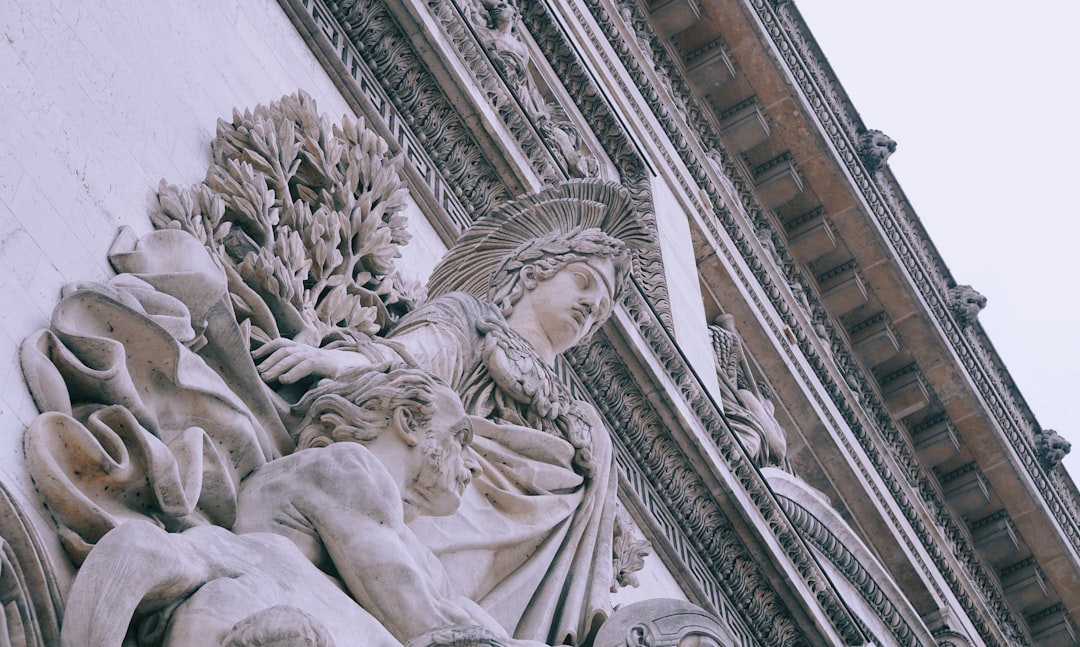
Ancient Israelite art is a rich and diverse form of artistic expression that dates back thousands of years. The art of the ancient Israelites is a reflection of their culture, beliefs, and daily life. From paintings and sculptures to pottery and jewelry, ancient Israelite art encompasses a wide range of artistic mediums and styles. The art of the ancient Israelites is deeply rooted in their religious and cultural traditions, and it provides valuable insights into their way of life and beliefs.
Ancient Israelite art is characterized by its unique blend of influences from neighboring cultures, such as Egypt, Mesopotamia, and Greece. This fusion of artistic styles and techniques resulted in a distinct and vibrant artistic tradition that is both visually striking and culturally significant. The art of the ancient Israelites is also notable for its use of symbolism and storytelling, with many artworks depicting scenes from religious texts and historical events. Overall, ancient Israelite art is a testament to the creativity and ingenuity of this ancient civilization, and it continues to captivate and inspire people around the world to this day.
Key Takeaways
- Ancient Israelite art reflects the religious and cultural beliefs of the Israelite people, and includes a variety of artifacts such as pottery, jewelry, and paintings.
- The significance of ancient Israelite paintings lies in their ability to provide insight into the daily life, beliefs, and traditions of the Israelite people.
- Uncovering ancient Israelite artifacts helps archaeologists and historians piece together the history and culture of the Israelite people, shedding light on their artistic practices and techniques.
- Themes and symbolism in ancient Israelite paintings often revolve around religious and spiritual beliefs, with common motifs including animals, plants, and geometric patterns.
- Techniques and materials used in ancient Israelite art include pottery making, metalworking, and painting with natural pigments, showcasing the skill and creativity of the Israelite artisans.
- Comparing ancient Israelite art to other ancient cultures reveals both unique artistic traditions and shared influences, providing a broader understanding of ancient artistic practices.
- Preserving and studying ancient Israelite art today is crucial for maintaining the cultural heritage of the Israelite people and gaining a deeper understanding of their artistic achievements.
The Significance of Ancient Israelite Paintings
Ancient Israelite paintings hold great significance as they provide valuable insights into the religious beliefs, daily life, and cultural practices of the ancient Israelites. These paintings often depict scenes from religious texts, such as the Hebrew Bible, and offer a visual representation of important events and figures from ancient Israelite history. Additionally, ancient Israelite paintings serve as a means of preserving and transmitting cultural knowledge from one generation to the next, allowing us to gain a deeper understanding of this ancient civilization.
The significance of ancient Israelite paintings also lies in their ability to convey complex ideas and emotions through visual imagery. Many of these paintings are rich in symbolism and allegory, offering a window into the spiritual and philosophical beliefs of the ancient Israelites. Furthermore, ancient Israelite paintings often showcase the artistic skill and creativity of the people who created them, demonstrating their mastery of various painting techniques and materials. Overall, ancient Israelite paintings are not only aesthetically pleasing but also serve as important historical and cultural artifacts that contribute to our understanding of this ancient civilization.
Uncovering Ancient Israelite Artifacts
The uncovering of ancient Israelite artifacts has been a crucial endeavor in understanding the art and culture of this ancient civilization. Archaeological excavations in the region have unearthed a wealth of artifacts, including pottery, jewelry, sculptures, and paintings, that provide valuable insights into the artistic traditions of the ancient Israelites. These artifacts have been found in various locations, such as burial sites, temples, and domestic dwellings, shedding light on the different aspects of ancient Israelite life and culture.
The process of uncovering ancient Israelite artifacts involves meticulous excavation and preservation techniques to ensure that these precious relics are protected and studied for future generations. Archaeologists and researchers carefully document and analyze each artifact, using advanced scientific methods to determine their age, origin, and cultural significance. The uncovering of ancient Israelite artifacts has greatly expanded our knowledge of this ancient civilization, allowing us to piece together a more comprehensive understanding of their art, beliefs, and daily life. As new discoveries continue to be made, the study of ancient Israelite artifacts remains an ongoing and vital pursuit in the field of archaeology.
Themes and Symbolism in Ancient Israelite Paintings
| Themes and Symbolism in Ancient Israelite Paintings | |
|---|---|
| Theme 1 | Symbolism 1 |
| Theme 2 | Symbolism 2 |
| Theme 3 | Symbolism 3 |
Ancient Israelite paintings are rich in themes and symbolism that reflect the religious beliefs, cultural practices, and historical events of this ancient civilization. Many paintings depict scenes from religious texts, such as the Hebrew Bible, showcasing important figures like prophets, kings, and other biblical characters. These paintings often convey moral lessons and spiritual teachings through visual storytelling, providing a powerful means of transmitting cultural knowledge from one generation to the next.
Symbolism plays a significant role in ancient Israelite paintings, with many artworks featuring symbolic imagery that conveys deeper meanings and messages. For example, certain animals, plants, and geometric patterns are often used to represent specific virtues or concepts within ancient Israelite culture. Additionally, the use of color and composition in these paintings serves to evoke emotional responses and convey complex ideas related to faith, identity, and community. Overall, themes and symbolism in ancient Israelite paintings offer valuable insights into the spiritual and philosophical beliefs of this ancient civilization, enriching our understanding of their art and culture.
Techniques and Materials Used in Ancient Israelite Art
The techniques and materials used in ancient Israelite art were diverse and innovative, reflecting the creativity and skill of this ancient civilization. One of the most prominent artistic techniques used by the ancient Israelites was fresco painting, which involved applying pigments onto wet plaster to create vibrant and long-lasting murals. This technique was commonly used to decorate the walls of temples, palaces, and other important buildings, showcasing intricate designs and scenes from religious texts.
In addition to fresco painting, the ancient Israelites also excelled in the art of pottery making, producing a wide variety of vessels for everyday use as well as for religious rituals. These pottery pieces were often adorned with intricate designs and patterns, showcasing the technical prowess and artistic sensibilities of the ancient Israelites. Furthermore, jewelry making was another important artistic tradition in ancient Israelite culture, with artisans using precious metals and gemstones to create exquisite adornments that reflected their social status and personal style. Overall, the techniques and materials used in ancient Israelite art demonstrate a high level of craftsmanship and artistic innovation that continues to be admired and studied today.
Comparing Ancient Israelite Art to Other Ancient Cultures

Comparing ancient Israelite art to other ancient cultures reveals a fascinating interplay of artistic influences and unique cultural expressions. The art of the ancient Israelites was influenced by neighboring civilizations such as Egypt, Mesopotamia, and Greece, resulting in a rich tapestry of artistic styles and techniques that set it apart from other ancient cultures. For example, the use of symbolic imagery in ancient Israelite art shares similarities with Egyptian art, while the emphasis on narrative storytelling is reminiscent of Mesopotamian art.
At the same time, ancient Israelite art also exhibits distinct characteristics that differentiate it from other ancient cultures. The emphasis on monotheistic religious themes in ancient Israelite art sets it apart from the polytheistic traditions of other civilizations in the region. Additionally, the use of vibrant colors and intricate patterns in ancient Israelite paintings reflects a unique aesthetic sensibility that is not found in other ancient cultures. By comparing ancient Israelite art to other ancient cultures, we gain a deeper appreciation for its cultural significance and artistic achievements within the broader context of human history.
Preserving and Studying Ancient Israelite Art Today
The preservation and study of ancient Israelite art today are essential for safeguarding this valuable cultural heritage for future generations. Museums, archaeological institutions, and research centers play a crucial role in preserving ancient Israelite artifacts through careful conservation efforts and public exhibitions. These efforts not only protect these precious relics from deterioration but also make them accessible to scholars, students, and the general public for study and appreciation.
In addition to preservation efforts, ongoing research into ancient Israelite art continues to expand our understanding of this ancient civilization. Scholars use advanced scientific techniques such as carbon dating, spectroscopy, and imaging technology to analyze artifacts and uncover new insights into their historical context and cultural significance. Furthermore, interdisciplinary studies that combine art history, archaeology, anthropology, and religious studies provide a comprehensive understanding of ancient Israelite art within its broader social and historical context.
Overall, preserving and studying ancient Israelite art today ensures that this rich cultural legacy remains alive and relevant in our modern world. By engaging with these artifacts and their historical significance, we gain a deeper appreciation for the artistic achievements and cultural contributions of the ancient Israelites.